Yes — group accountability genuinely helps weight loss, though not for the reason studios usually advertise. A class doesn't burn meaningfully more than the same work done alone. What it changes is attendance: people show up more often, for more months, when sessions are booked in advance, when someone expects them, and when a coach notices their absence. And attendance — adherence — is the closest thing fat loss has to a master variable.
Adherence decides outcomes; programs mostly tie
Compared head to head, sensible training programs differ far less than people who follow them differ from people who don't. Research direction is blunt on this: the gap between doing and not-doing dwarfs the gap between one reasonable plan and another. The best program is the one still happening in month six — which reframes "which workout is optimal?" into "which setup keeps me in the room?"
Three mechanisms that make groups sticky
- The booked slot. A reserved place in a scheduled session converts a vague intention into an appointment. Skipping becomes an active decision with a small social cost, rather than a quiet drift that nobody witnesses.
- Being expected. In a small room where the coach and regulars know your name, your absence is noticed — kindly, but noticed. Anonymity is where attendance goes to die; big-box floors offer it in bulk.
- Follow-up. A coach who asks how the week actually went, adjusts the plan and keeps the thread alive supplies the continuity a solo gym-goer must generate alone. That's the design behind small group personal training — coaching attention with the room's energy.
Willpower is a budget, and structure spends less of it
Every evening you renegotiate "do I feel like training?" you pay a decision tax — and the version of you at 5 pm after a rough workday is a poor negotiator. Defaults abolish the negotiation: the class exists at a fixed time, your spot is claimed, the decision was made days ago by a fresher you. People read this as discipline from the outside; from the inside it's mostly architecture.
This matters double for weight loss, where food decisions are already draining the same budget all day. A training routine that runs on rails leaves more willpower for the kitchen, where — as we argue in the out-training myth — it's needed most.
What this looks like in practice
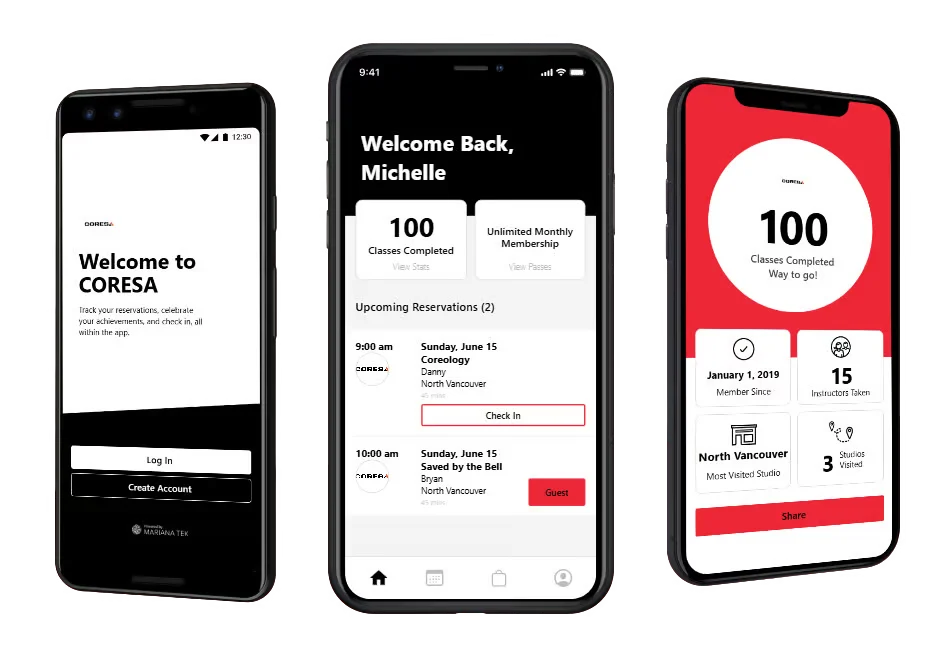
At Coresa, the machinery is deliberate: coached circuit sessions you book through the Coresa app, a studio small enough to be known in, and a stated focus on habit development rather than heroics. Even the heart-rate displays are accountability wearing a fun costume: effort made visible is effort you can't quietly skip. How all of that gets pointed at a weight-loss goal specifically is on the personal training for weight loss page.
Common questions
I'm already self-disciplined — will a group add anything?
Less, honestly — but discipline has bad seasons, and structure is insurance against them. Most disciplined people who join groups report the same thing: they stop spending effort on getting there and reinvest it in the work itself.
Is a workout buddy as effective as a coached group?
It's a real upgrade over solo — until your buddy travels, gets sick or fades, at which point pairs tend to fail together. A coached group adds programming, scaling and a follow-up thread that doesn't depend on any one person's streak.
Won't I feel judged as the least fit person in the room?
The fear is universal and the reality is gentler: every station scales, and everyone in the room was new once. If the first visit feels like a hurdle, start with a conversation — a free 15-minute consult call removes most of the unknowns.
How soon does accountability translate into weight loss?
Attendance changes within weeks — that's the part accountability controls. Body change then follows the normal biology of a deficit, which runs on months. The group keeps you present for enough of those months to matter.