
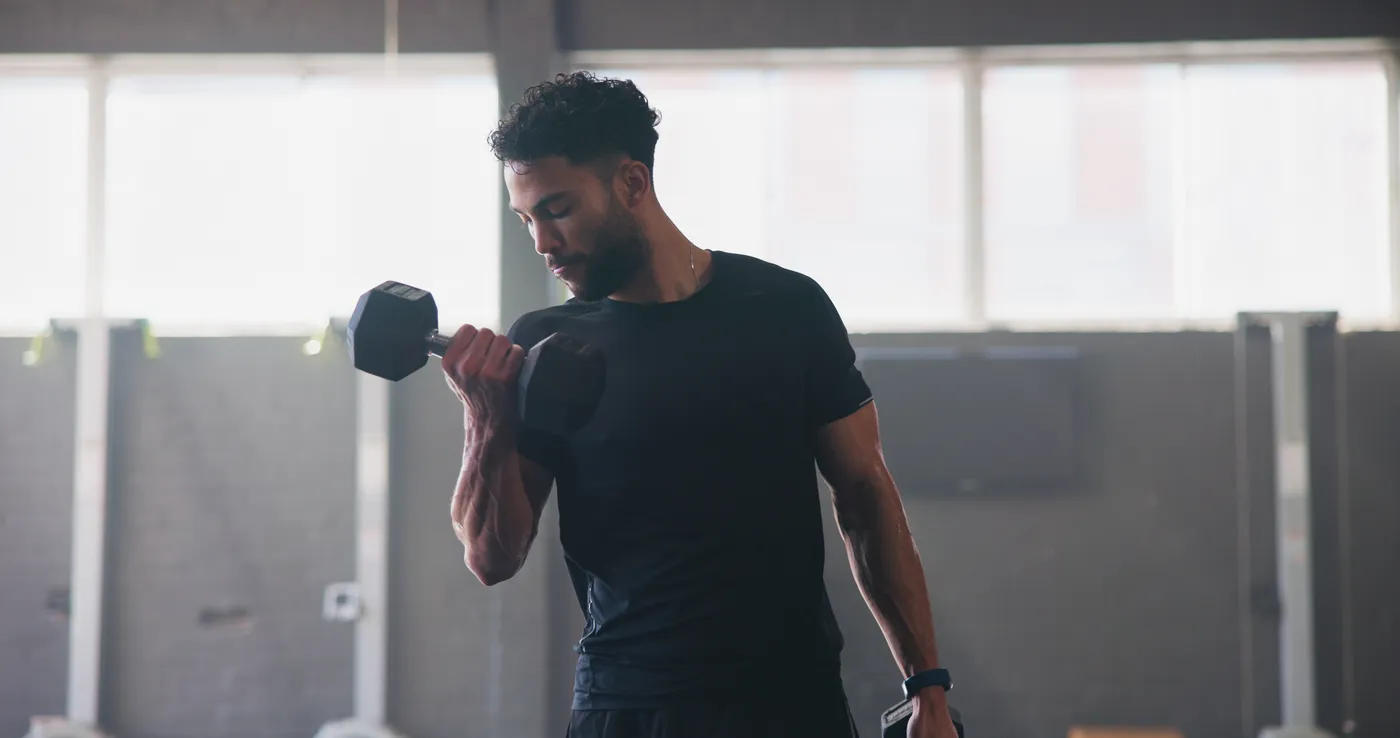
Vancouver heat waves are training weather with an asterisk: the work continues, moved and moderated. The playbook is short — claim the early window (doors here open at 6:00 am, which becomes the best training hour in the city during a heat event), cut intensity honestly rather than heroically, treat hydration as including salt, and know the stop signals cold.
The region's heat events are also genuinely dangerous at the edges, so the serious line comes first: heat illness escalates fast, and no session survives a cost-benefit against it.
Move the training, starting with the clock
Heat waves invert the schedule argument: the 6 am slot stops being a discipline flex and becomes simply the cool part of the day — often ten degrees kinder than late afternoon, which is the window to avoid entirely for hard work. Indoors helps but is not magic during multi-day events; the room, the pace and the clock all get a say. Easy outdoor movement migrates to dawn, shade and water — the Spirit Trail's treed sections over exposed pavement — and the hardest sessions of the week either take the earliest slots or trade places with the recovery week you were owed anyway.
Cut intensity like you mean it
Heat is itself a cardiovascular load: the same pace costs more, heart rates run high at every effort, and perceived exertion is telling the truth your pace ego resists. So prescribe by effort, not output — conversational stays conversational even if it is slower, intervals shrink or convert to strength work, and the displays become the honest referee: when the number says hard at a pace that used to be easy, believe the number. Hydration is water plus electrolytes once sessions get sweaty and long — plain water alone eventually dilutes what sweating spends — and pre-hydration through the day beats chugging at the door.
The stop signals, verbatim
Stop and cool immediately for: cessation of sweating, chills or goosebumps in the heat, headache, nausea, dizziness, confusion, or heart rate that stays maximal at trivial effort. Those are heat illness announcing itself, and the response is stopping, shade, fluids and cooling — escalating to medical help if confusion or collapse enters the picture, because heat stroke is an emergency, not a rough session. People on certain medications, older adults and anyone with cardiovascular history carry lower thresholds and should let a clinician calibrate their heat plan. A missed session in a heat dome is a rounding error; the alternative is not.
Common questions
Does training in heat make me fitter faster?
Heat acclimation is a real athletic tool — used deliberately, gradually and carefully by people with reasons. During an actual heat wave, the goal is maintaining safely, not harvesting adaptation from a hazard.
How much extra should I drink?
Enough that urine stays pale through the day, with salt in the mix for sweaty sessions — thirst lags need in the heat. Precise formulas matter less than the pale-and-regular check.
Is the studio air-conditioned?
Practical conditions vary with the building and the event — ask when you book during a heat wave and you will get the honest current answer, plus the coolest available slots.