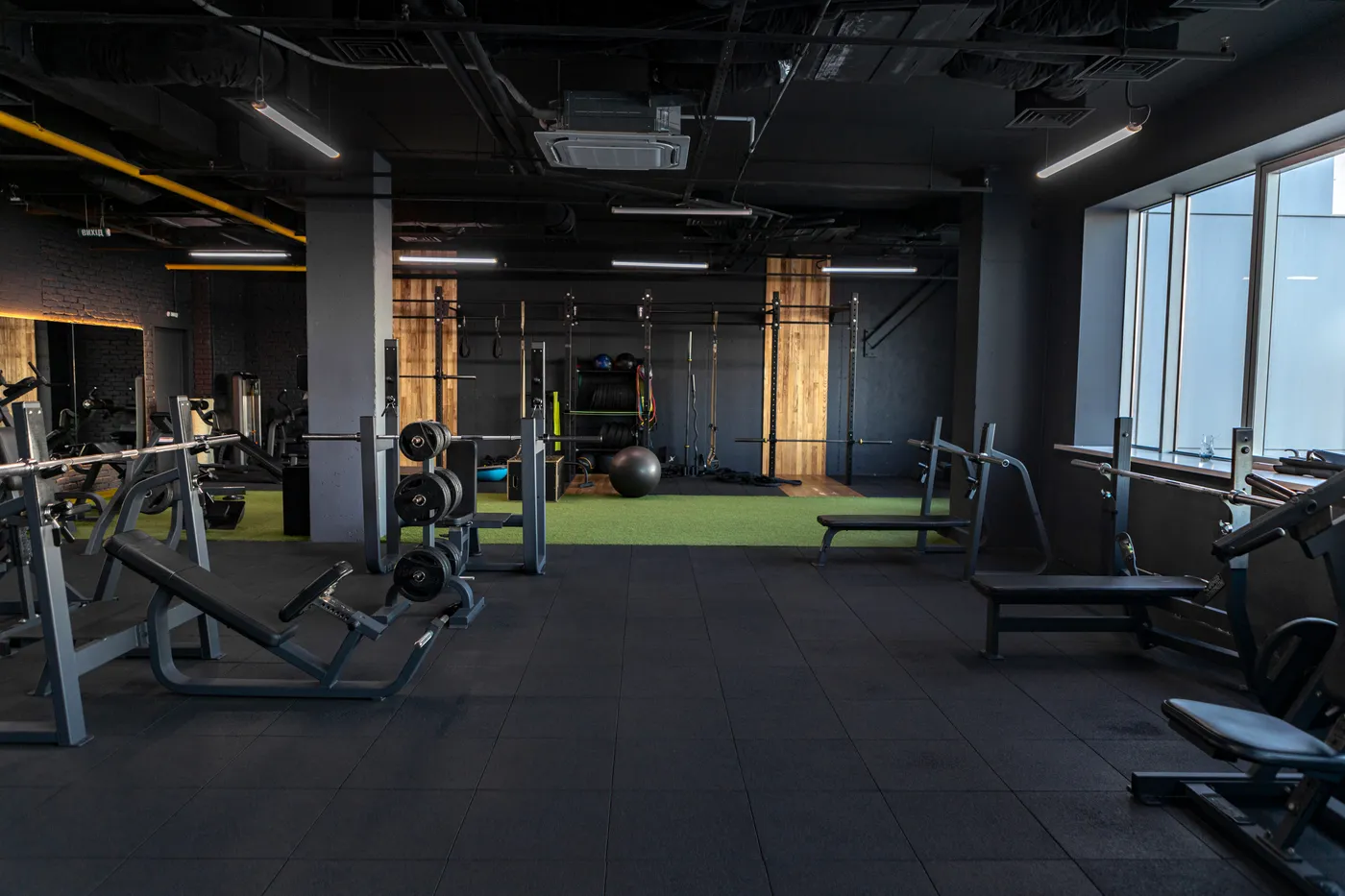
These are complete sessions, written the way our coaches write them: what to do, in what order, at what effort, and for how long. They exist for the days between coached sessions — hotel gyms, home floors, public stairs, and the weeks when life takes you away from the studio.
Every movement in a session links back to its page in the exercise library, so a cue is never more than one tap away. Efforts are written in the language of the glossary — mostly reps in reserve for strength and the talk test for conditioning.
How to use these
Pick by situation, not ambition: the travel sessions for trips, the templates for stretches of self-directed training, the treadmill and stair sessions for engine work with a local purpose. Run a session as written before modifying it — the order and the rests are part of the design. And treat these as the supplement, not the program: they hold fitness well and build it slowly, which is exactly what homework should do.
They are the bridge between them. A written session cannot watch your technique, choose your loads or progress you week to week — that is what the coached room is for. What these do brilliantly is stop a travel week from becoming a zero week.
How hard should these feel?
Strength work: finish sets with about two reps in reserve. Conditioning: hard pieces should end with you able to speak words but not paragraphs. Nothing in a self-directed session should flirt with failure.
Can beginners use them?
The ones marked for beginners, yes — they lean on movements with low skill floors. If a movement is new to you, read its library page first and start with the easier rung.
Start here
Book a free consult
A free 15-minute phone call with a coach. We will talk through your goals and your week, and point you at the training that fits.