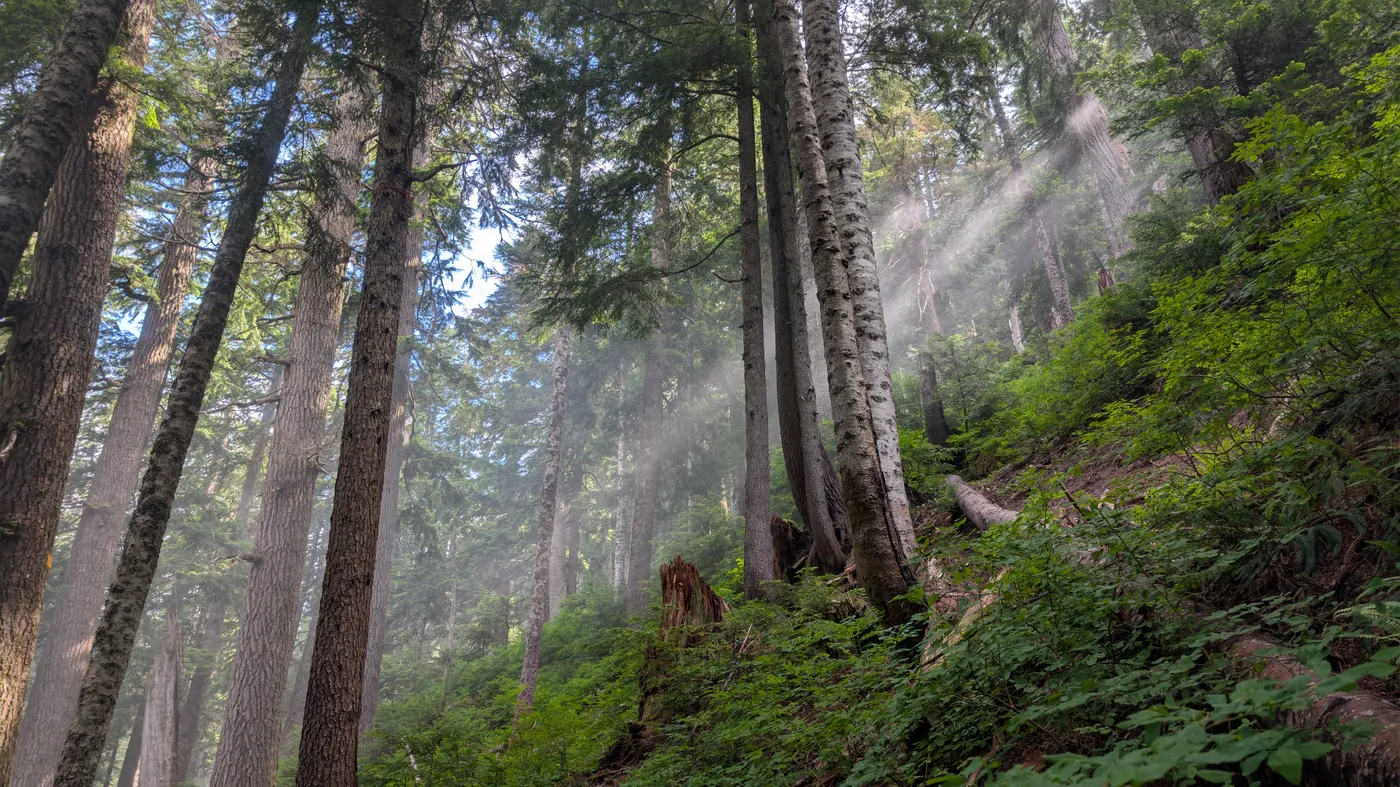
Honestly: yes — few places in Canada put this much activity within reach of an ordinary Tuesday — but the endorsement comes with an asterisk the postcards leave out. The mountains, trails, and waterfront are everything they are advertised to be. The trade-off is a long wet season that tests every outdoor intention you own. People who thrive here plan for both halves of that sentence.
Here is the full case, in both directions.
The case for yes
Start with the raw geography: three ski areas on the city's doorstep, a vast trail network rising straight out of residential streets, a flat waterfront path for easy days, and ocean at the bottom of the same corridor that ends in alpine at the top. Add the practical layer — a walkable spine along Lonsdale, a quick ferry ride to downtown, everyday errands that involve actual hills — and daily life here quietly generates movement before you have done any formal exercise at all. For an active person, the ceiling is about as high as urban Canada offers.
The seasons stack rather than cancel, too. The same weather that soaks the city falls as snow up high, so winter converts the mountains into ski terrain instead of taking them away — a rare arrangement where the off-season for one pursuit is the peak season for another.
The asterisk: the wet half
Now the concession. The rainy season is long — grey, dripping weeks stacked from fall deep into spring — and it changes the math for anyone whose activity depends on pleasant conditions. Trails get saturated, daylight shrinks to a sliver of the workday, and the gap between people who stay active and people who hibernate widens into a canyon. Anyone selling you North Vancouver as twelve months of sunny summits is selling; the honest pitch is world-class outdoor access for a glorious stretch of the year and a genuine weather test for the rest.
How the people who thrive actually do it
The local pattern is an indoor-outdoor split that tilts with the calendar: an all-weather training base — a studio, a pool, a rink, whatever holds steady in the dark months — plus opportunistic outdoor time whenever the sky allows, scaling up enormously in summer. The structure is seasonal by design, and we have mapped it in detail in our guide to training across North Vancouver's seasons. Proper rain gear is the other half of the answer; locals treat it as sports equipment, not an accessory.
Who it suits, and who it might frustrate
It suits people who like mountains more than they hate rain: hikers, skiers, trail runners, and anyone content to train indoors when the weather argues. It frustrates the strictly sun-powered — if your activity only happens in nice conditions, you will have a spectacular summer and a difficult winter. The neighbourhood's infrastructure exists to close that gap; the corridor's training options, including our own Lower Lonsdale studio, are busiest precisely because locals needed somewhere consistent when the clouds settle in.
Common questions
Is North Vancouver more active-friendly than Vancouver proper?
Differently friendly, mostly. The North Shore wins on immediate mountain and trail access and a quieter waterfront; the city across the water wins on sheer variety of facilities and flat terrain. The right side of the inlet depends on which kind of active you actually are.
Do I have to hike or ski to make living here worthwhile?
No. The flat waterfront path, the walkable hills, and a dense studio scene serve non-mountain people perfectly well — the peaks are a bonus, not an entry requirement. Plenty of locals stay very fit without ever touching a trailhead.
How bad is the rain, really?
Long rather than violent: it is rarely torrential all day, but grey and damp become the default for months. Locals learn to use the dry windows, invest in real gear, and keep an indoor routine so the weather never holds their fitness hostage.
Can you live an active, car-free life here?
In the Lonsdale corridor, comfortably — daily training, errands on foot, and the SeaBus to downtown all work without a vehicle. Reaching trailheads is simpler with a car, though transit covers some mountain access; verify current routes rather than assuming.