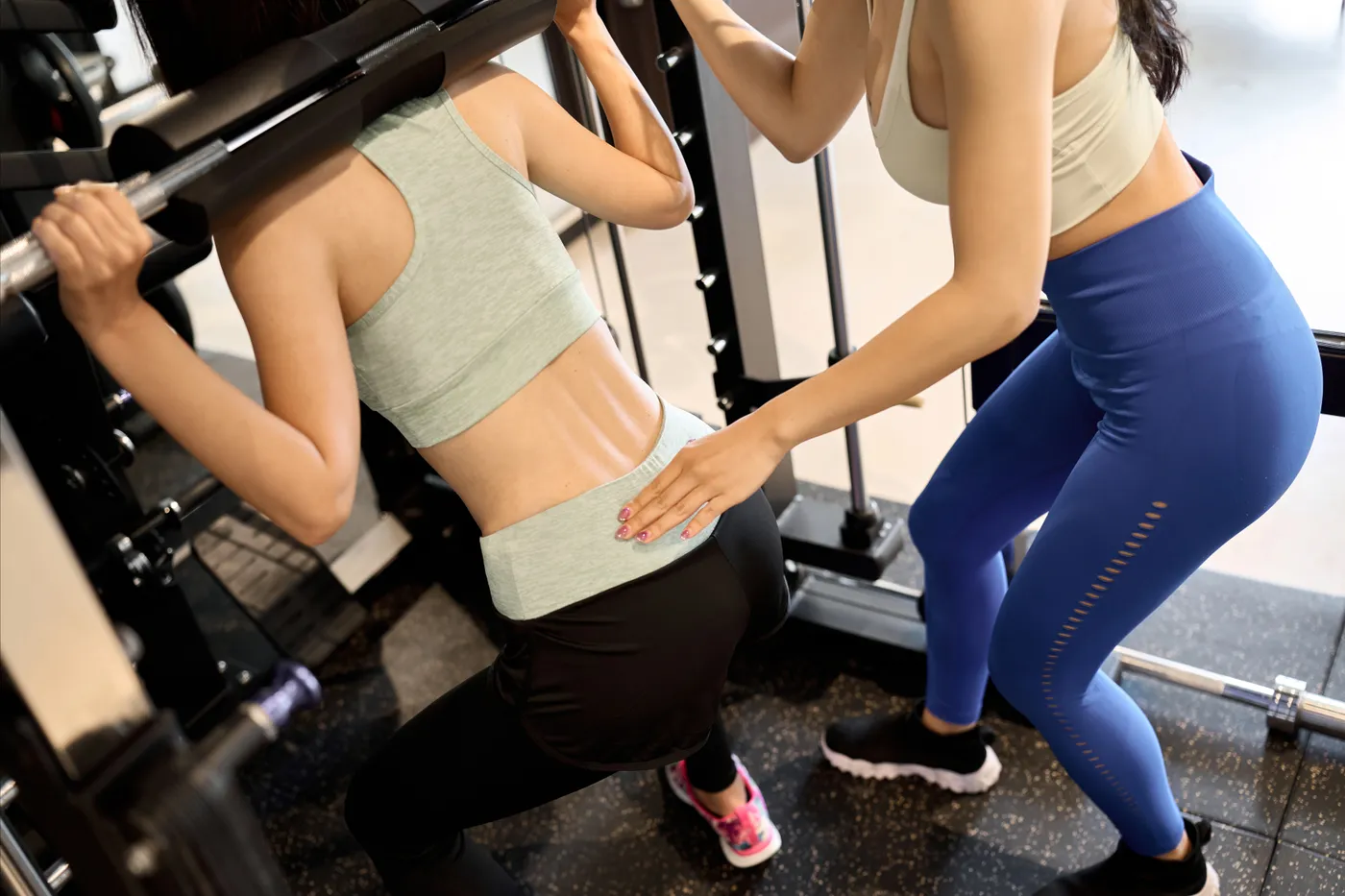
Yes — strength training is safe for teenagers when it is properly supervised and technique is taught before load is added. That's not a fringe opinion; it reflects the stated position of major sports-medicine and paediatric organizations, which support well-coached resistance training for youth and credit it with reducing sports injury risk rather than causing it.
The caveats are real but simple: qualified supervision, technique-first progression, and no ego-driven max attempts. And because every facility sets its own age rules, the studio question — can my teen train here? — always gets answered by the studio.
Retiring the growth-plate myth
The old warning — lifting stunts growth by damaging growth plates — hasn't survived scrutiny. Reviews of youth resistance training find growth-plate injuries to be rare and overwhelmingly tied to unsupervised training, poor technique or maximal loads, not to coached programs with sensible progressions. Governing bodies in sports medicine now consistently frame supervised strength work as protective for young athletes, not hazardous.
Ironically, the sports parents happily sign teens up for — soccer, hockey, gymnastics — carry far more inherent injury exposure than a coached session with an appropriately loaded bar or dumbbell.
Technique before load, always
The non-negotiable for teen lifters is a long apprenticeship in movement quality: practising squatting, hinging, pushing, pulling and bracing until positions are consistent, before weight climbs. Progress is earned through reps done well — not through birthdays, and not through bravado.
- Master each pattern with bodyweight
- Add light load and keep it there while consistency builds
- Progress gradually, with a coach approving every step up
- Leave one-rep maxes out entirely — teens get strong without ever testing a true max
What teens gain from lifting well
Done properly, the payoffs stack: more robust tissue that tolerates sport better; bone loading during the years when the skeleton responds best to it; coordination and confidence that carry into everything else; and — perhaps most valuable — a learned respect for gradual progression at an age when most training culture screams the opposite. For many teen athletes, the weight room is where they first practise patience.
There's a social payoff too: a well-run weight room may be the rare training environment where a teen is judged on attention and effort rather than raw athleticism — which particularly suits kids the cut-throat side of team sport has quietly discouraged.
Age policies vary — ask the studio
None of the above tells you whether a specific gym admits 15-year-olds, requires a guardian present, or sets other conditions — those are individual studio policies, and inventing an answer here would be a disservice. For Coresa specifically, ask directly: reach the team through the contact page, or raise it on a zero-pressure consult call, which parents are welcome to take first.
To see how coached, station-based strength work runs in general, the strength class page covers the format.
Common questions
Will lifting weights stunt my teenager's growth?
The evidence says no — supervised, technique-focused resistance training is considered safe by major sports-medicine organizations. The injuries behind the myth trace back to unsupervised or maximal lifting, which no good youth program includes.
At what age can a teen start strength training?
Readiness matters more than any universal number: being able to follow coaching instructions and hold attention through a session is the real threshold, and governing bodies frame it that way rather than naming one age. Any facility's minimum age is its own policy — confirm before booking.
Should teens ever test a one-rep max?
There's no need. Strength develops fine through controlled sets at submaximal loads, and maximal attempts add risk without teaching anything a teen requires. Save max testing for later training years, if ever.
Can my teen train at Coresa?
Ask the studio directly — age and supervision policies are exactly the kind of operational detail worth confirming firsthand at (236) 868-9964, via info@coresatraining.com, or in person on a tour.