
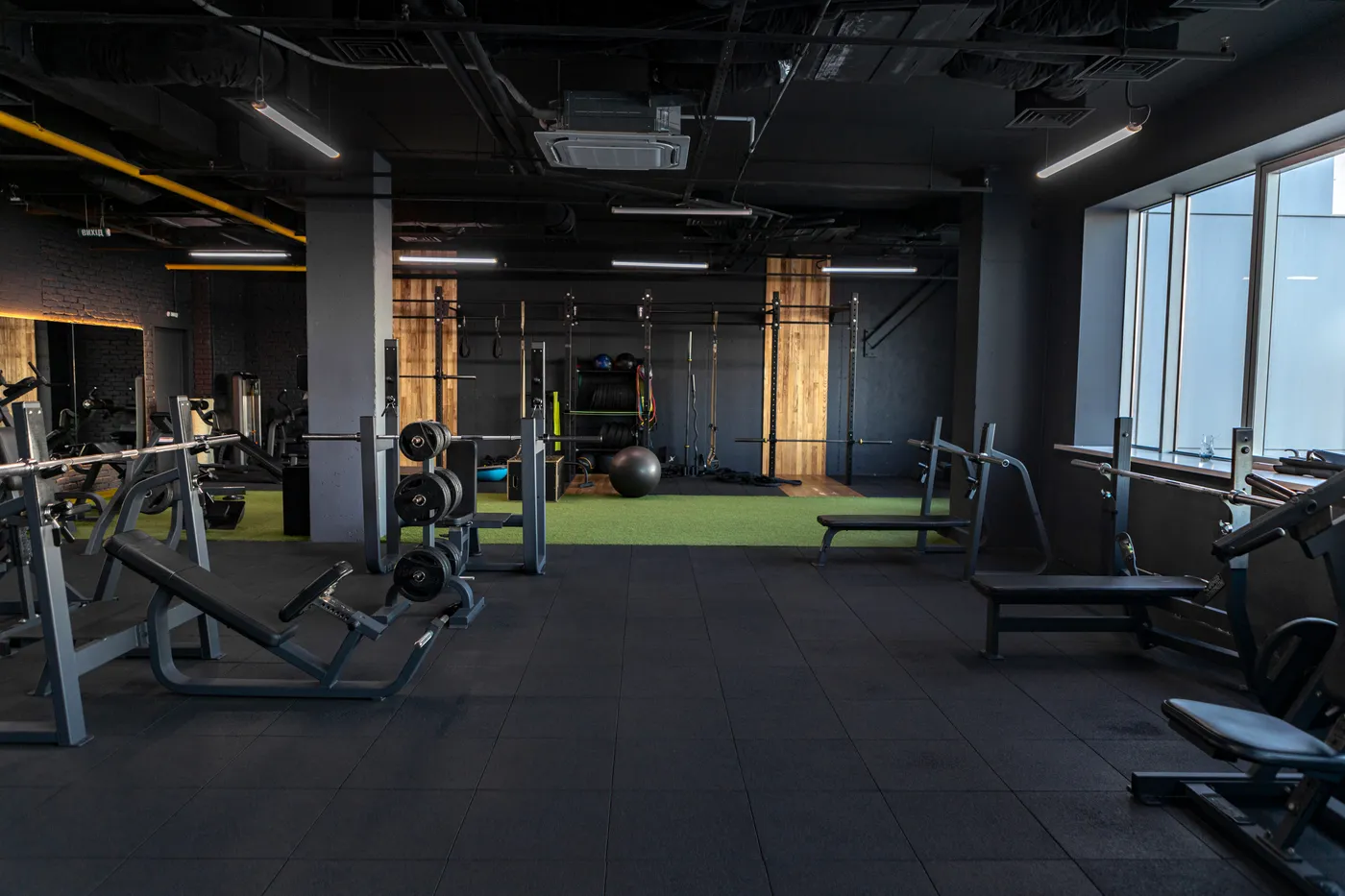
North Vancouver now has both: genuinely luxurious athletic clubs — twenty-thousand-square-foot floors, cedar saunas, recovery rooms, cafés, towels folded at the door, private parking — and small private training studios where the entire product is a coach, a cap on the room, and a program with your name on it. They can cost similar money per month. They are not remotely the same purchase.
This page compares the purchases honestly. Coresa is a private training studio, so read with that bias declared — but the club column below is written to be fair, because for a real slice of people the club is simply the right answer.
What each fee actually buys
| Luxury club | Private training studio | |
|---|---|---|
| The core product | Access: space, equipment, amenities, atmosphere | Coaching: a professional responsible for your training |
| Who plans your session | You (or a trainer billed separately) | The coach, before you arrive |
| Crowding | Varies by hour; peak times are peak times | Capped — at Coresa, eight people maximum per coached session |
| Amenities | Saunas, recovery tech, towels, café, parking | Few to none — the budget went into the coaching ratio |
| Accountability | The fee, and your own resolve | A booked hour where a named person expects you |
| Progress tracking | Yours to keep, if you keep it | Written down between sessions |
| Hours | Long — early to late | Session windows; at Coresa the doors run 6 am to 8 pm daily |
| Best month | The month you go often and use everything | The month you would otherwise have skipped |
The last row is the honest crux. A club membership is priced on access and pays off with self-direction. A studio is priced on coached hours and pays off with adherence — the sessions happen because someone is expecting you.
The case for the luxury club, made properly
If you already train well on your own — you have a program, you push yourself honestly, you show up without being expected — a luxury club is a genuine upgrade to your training life. The equipment breadth is real, the recovery amenities are pleasant and occasionally useful, the towels and parking remove friction, and the atmosphere makes an hour there feel like time off rather than a chore.
It is also the right call if the amenities are the point: if a sauna after training is half of why you go, buy the place with the sauna. No coached studio should talk you out of a habit that already works.
Where the club model quietly fails people
The failure mode is well known because it is the industry's business model: memberships that outlive attendance. Nobody at a large club notices whether you came, no one chooses your Tuesday session, and the gap between joining and belonging gets crossed alone. The amenities that justified the fee become the reason the fee survives the habit — you keep it for the sauna you visit twice a month.
Survey work keeps finding the same pattern: most people have decided before they ever tour, referrals drive sign-ups, and community — being known — is what retains. A big beautiful floor supplies none of that automatically. Some people build it there anyway; many do not.
Where the studio earns its fee
A private studio is buying three things a club cannot stock: a professional who prepares and watches your training, a cap that makes individual coaching physically possible, and the social contract of a booked room. At Coresa that means personal training, 1-on-1 or semi-private, loads chosen for you, technique corrected mid-set, and a record that decides when the weight goes up. The full picture of what private means here — including what is deliberately absent — is on the private gym page.
The studio's failure mode, stated just as plainly: it cannot be your solitary headphones hour, it has no amenities to enjoy on rest days, and per month it costs more than floor access because coached hours cost more than square footage.
The hybrid nobody advertises
Plenty of people run both: a cheap or mid-tier club membership for solo cardio, weekend variety and the sauna, plus coached sessions at a studio for the strength work that actually progresses. If the budget covers one, choose by your record, not your intentions — the option you will genuinely use twice a week beats the option you admire. Is a luxury gym worth it has a worksheet for exactly that decision, and the choosing-a-gym guide maps the whole local landscape.
Common questions
Is Coresa a luxury gym?
No. It is a private training studio: the money went into the coaching ratio, not amenities. If saunas and towels handed to you at the door are what luxury means to you, North Vancouver has clubs that do that properly — this comparison exists to help you tell which purchase fits.
Which is better for losing weight or getting strong?
Whichever one you attend. Formats matter less than adherence, and the studio's whole design is adherence machinery. If you reliably self-direct, the club serves the same goals.
Why do clubs cost less per month than coached studios?
Because you are the labour. A club sells access to space; a studio sells a professional's prepared, supervised hours. Per hour of expert attention, the studio is usually the cheaper of the two.
Can I try both before deciding?
You should. Clubs run tours and trial passes; Coresa runs a free 15-minute consult call and single bookable sessions. A call and a session will teach you more than any comparison table.