
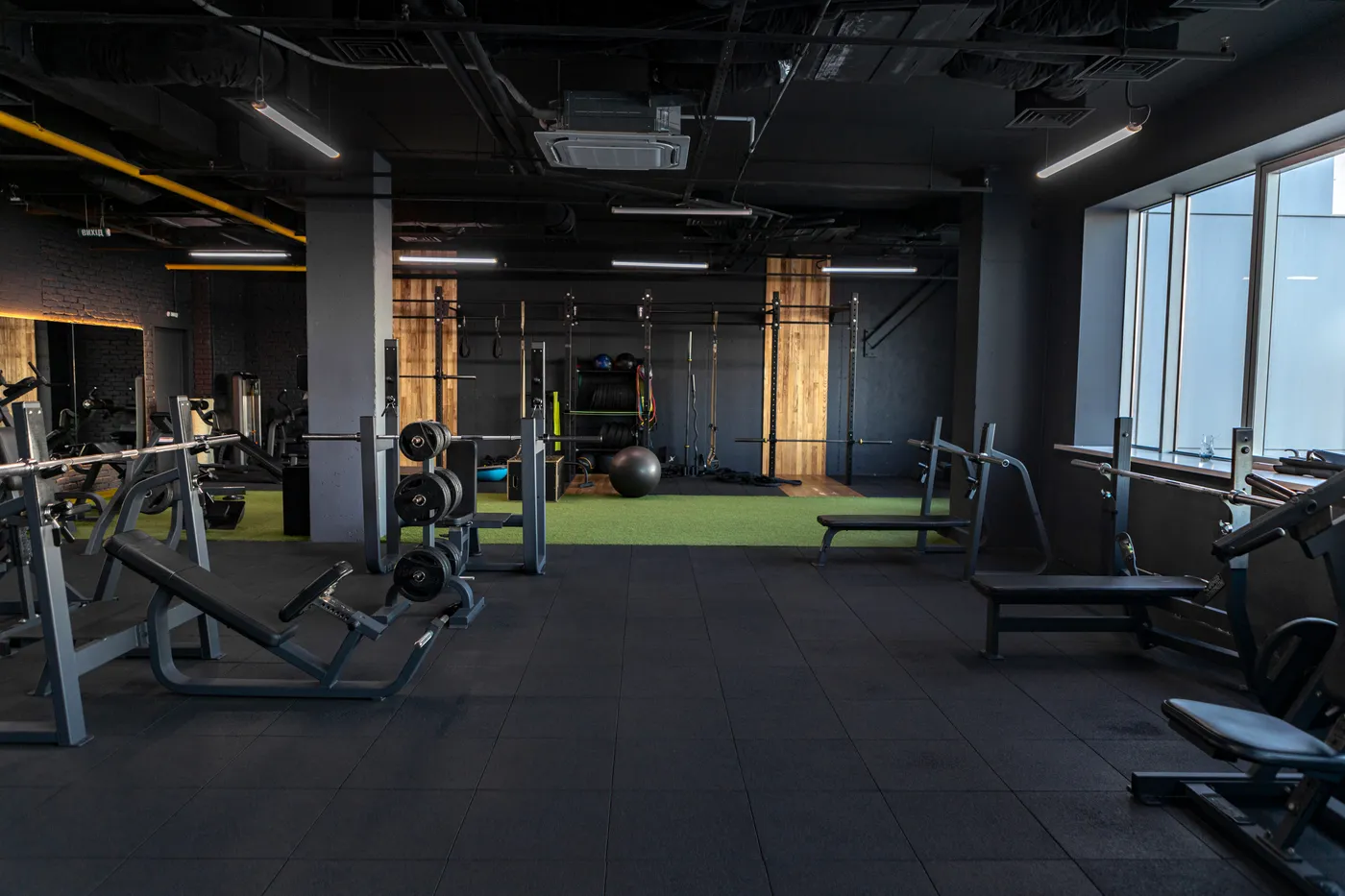
BC's policing and fire services gate entry with physical tests — the POPAT for municipal police, the PARE for the RCMP, and CPAT-style circuits for fire — and they all examine the same short list of qualities: repeatable sprint-and-change-of-direction work, push-pull strength against resistance, stairs under load, and the composure to do a precise task while gassed.
None of that is exotic. It is ordinary strength and conditioning pointed at a date, which is exactly what a coached program does well. One caveat before anything else: test formats, standards and times are set by the agencies and do change — always confirm the current requirements on the official recruiting pages before building a calendar around what any website, including this one, describes.
What the tests have in common
Strip the details and every version runs the same examination: an agility-and-sprint circuit repeated until your heart rate lives near its ceiling, a push-pull station that demands strength while already breathing hard, a carry or drag that tests grip and trunk under fatigue, and — the part that fails most candidates — the requirement to keep moving with quality for the whole duration rather than emptying the tank in lap two.
That last point decides your training emphasis: these are pacing-and-repeatability tests wearing an obstacle course costume. The winner is rarely the strongest applicant; it is the one whose output in minute six resembles their output in minute one.
The qualities to build, in order
- An aerobic base first. Fast recovery between efforts is what lets the circuit stay repeatable. Weeks of conversational-effort work — incline walking counts — before the hard intervals begin.
- Repeat-effort conditioning. Intervals with short, incomplete rests: work that mimics the test's cruel rhythm of never quite recovering.
- Push-pull strength under fatigue. Rows, presses and loaded carries placed after conditioning pieces on purpose, because the test never lets you push anything while fresh.
- Stairs and legs. Step work and single-leg strength, then loaded once the unloaded version is boringly reliable — North Vancouver's public staircases are a free test rig.
- Grip that outlasts the circuit. Carries and hangs; grip fails quietly and takes the drag station with it.
A sensible timeline
From a reasonable fitness base, eight to twelve weeks of pointed preparation is the honest window; from scratch, build a general base for a few months first — the test date should meet a body that has been training, not a body that started training for it. The final three weeks add full-circuit rehearsals at test pace, once or twice a week at most: they teach pacing and confidence, and they cost enough recovery that more is worse.
Rehearse the specific skills too, not just the fitness: the agility patterns, the falls-to-floor-and-up transitions, the precise-task-while-gassed moments. Composure under a pounding heart rate is trainable, and it is worth marks.
How coaching helps, honestly
A coached program contributes three things: the load management that keeps an ambitious candidate from arriving injured — the classic failure of self-directed test prep — the strength work prescribed and progressed rather than guessed, and a schedule that survives shift work and application season. At Coresa that means semi-private sessions with your test date shaping the emphasis, or 1-on-1 blocks for the rehearsal-heavy final month. What we do not run is an official test simulation — confirm standards with the agency, and tell the coach the exact requirements so the training points at the real thing.
Common questions
Which is harder, the POPAT or the PARE?
They are siblings with different details, and difficulty is mostly about your preparation for the repeat-effort format both use. Train the qualities above and either becomes an execution exercise. Confirm the current version of your target test with the recruiting body.
How fit do I need to be before starting test prep?
If you can train hard three times a week and recover, you are ready for a pointed block. If you are starting from little, give yourself a general base first — rushing prep is how test dates meet shin splints.
Can I prepare with just running?
Running builds the engine and ignores the push-pull, grip, and change-of-direction demands the tests actually grade. Candidates who only run tend to pass the cardio and fail the stations.
Do you run official test simulations?
No — formats belong to the agencies and change. We train the qualities and rehearse the demands; the official standard should always come from the recruiter's current documentation.