Training for women at Coresa rests on a simple position: women are underserved not by a shortage of gyms, but by gym cultures that make strength training feel like trespassing. Our answer is structural — coached station sessions where your work is planned before you arrive, effort is measured against your own heart rate rather than the body beside you, and getting strong is the point rather than a side effect to apologize for.
Here is what that looks like in practice, including the one conversation about "bulky" we will have exactly once.
The parts of gym culture we designed out
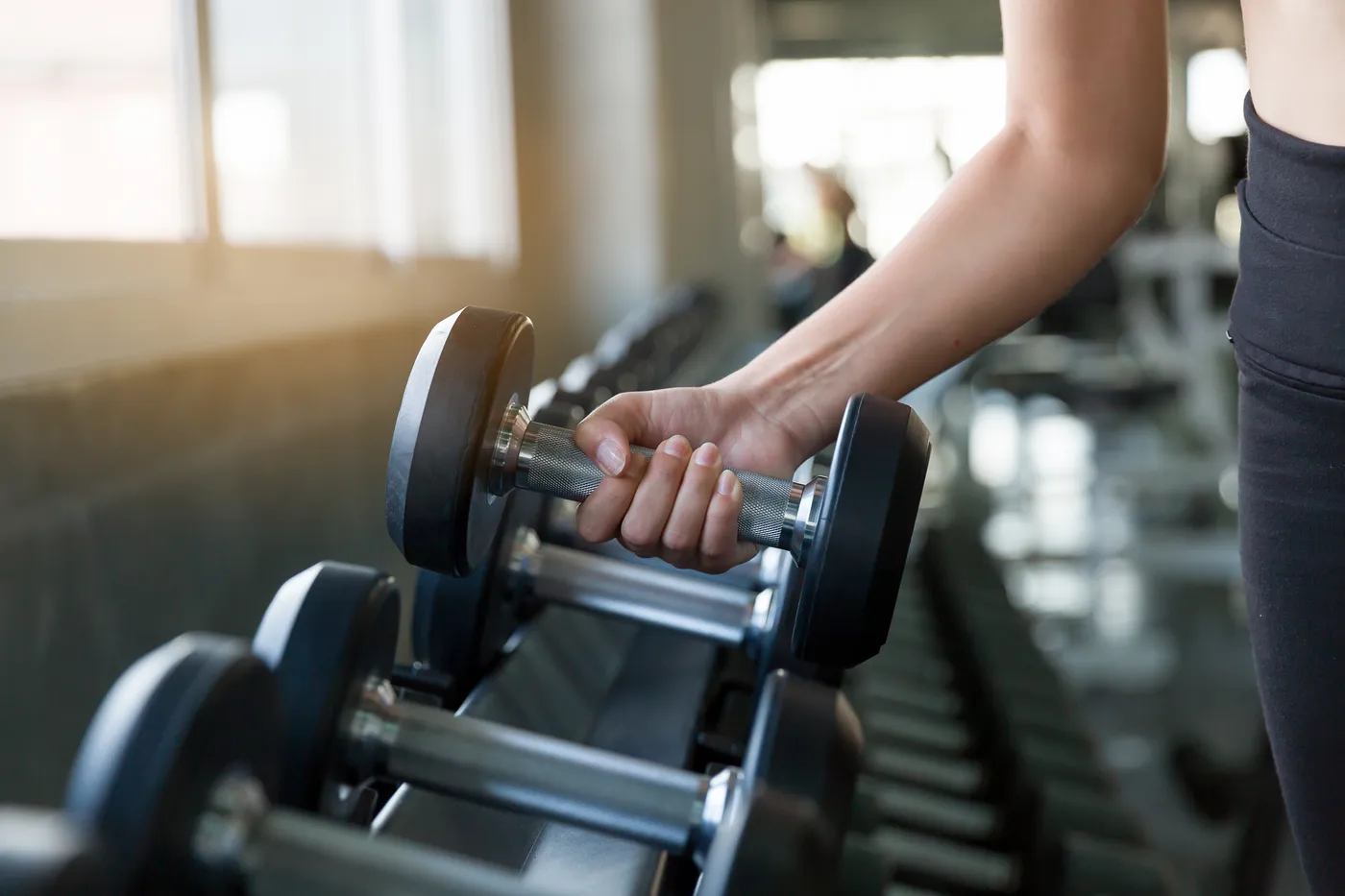
Ask women what kept them out of gyms and the answers repeat: free-weight zones that feel like claimed territory, the sense of being watched and evaluated, and advice delivered in a tone that assumes you don't belong there. A station-based coached session removes the machinery that produces all three — equipment is assigned rather than contested, everyone in the room is mid-rotation on their own work, and instruction comes from a coach whose job is your technique, not commentary from bystanders.
None of that requires a "women's version" of training, and we don't run one. It requires a room whose default culture is coaching. To feel the difference before committing to anything, a short walk through the studio costs fifteen minutes and nothing else.
The "bulky" conversation, once and honestly
Will lifting make you bulky? Building conspicuous muscle mass takes years of dedicated high-volume training, deliberate surplus eating, and a hormonal profile that favours it — a combination describing essentially no one attending a few coached sessions a week. What lifting readily produces instead is strength, denser muscle, and the shape changes most women were actually chasing when they typed "toned" into a search bar.
And the honest footnote: if muscle ever did accumulate past your preference, it would arrive slowly, with years of exits along the way. Muscle is the hardest tissue in the body to gain by accident.
Heart-rate data ends the comparison game
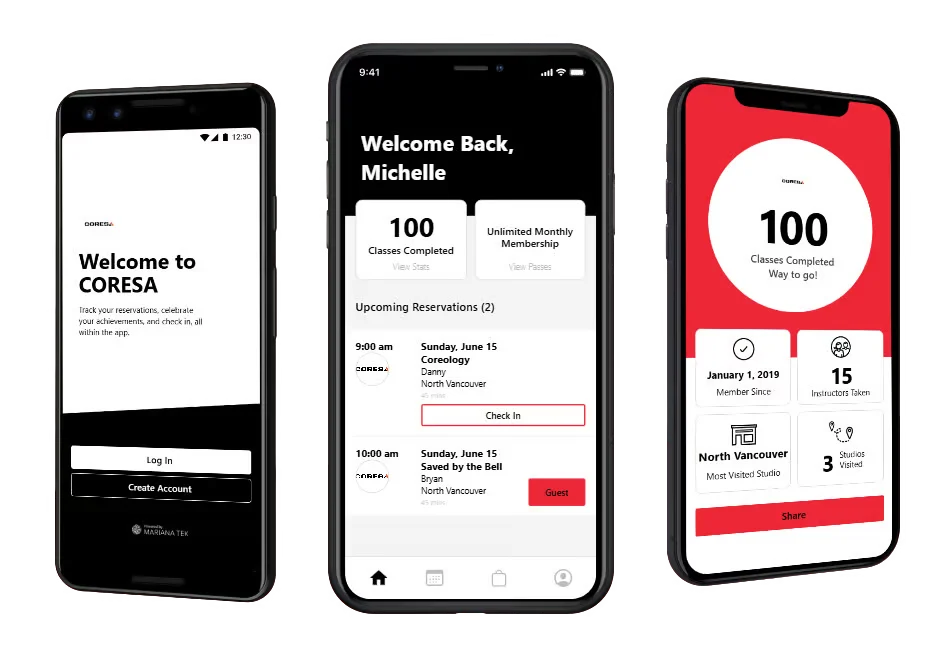
Group fitness has historically run on comparison — matching the pace of whoever happens to be beside you. A live heart-rate display replaces that with something fairer: effort computed from your own heart rate and displayed as your zones, so a hard interval for you scores as exactly that, whatever speed it happens at. Two people at wildly different fitness levels can both win the same class. On the days that matter most — exhausted weeks, tentative comebacks, breakthrough sessions — heart-rate-guided training reports your effort truthfully when your inner critic won't.
Scoreboards better than the scale
Body weight is one number, hostage to hydration and hormones, and it has consumed enough of most women's attention already. Better scoreboards, worth actually writing down:
- Strength milestones — the first full push-up, the dumbbell that used to be your heavy one becoming your warm-up
- Capacity — carrying all the groceries in one trip, a Grouse hike without dread, keeping pace on family ski days
- Bone and muscle banked for later — research consistently links resistance training with stronger bones, a stake that compounds through perimenopause and beyond
- Energy and sleep quality across the week — often the earliest changes to show
Life stages change the training context, not the eligibility: cycles, pregnancy, postpartum, and menopause each shift what a smart session looks like, and coaches adapt when you tell them where you are. For the medical layer, your physician or pelvic-floor physiotherapist leads and we follow. Much of the strength work itself happens in group strength sessions, where loads are set per person, station by station.
Common questions
I've never touched free weights — can I still start?
Yes — every lift gets taught from zero, and no session assumes prior gym history. The station format means you learn one movement at a time with a coach nearby, rather than facing a rack of equipment and guessing.
How heavy should women actually be lifting?
Heavier than decades of women's fitness marketing suggested. Effort is the driver: if you could quietly do five more reps, the set was practice, not training. Coaches set loads person by person and raise them as you progress — no ceiling is written anywhere.
Can I train while pregnant or after having a baby?
With your care provider's clearance, generally yes — guidance around exercise in pregnancy and postpartum has grown steadily more supportive of strength work, but every situation is individual. Tell the coaching team your stage and the sessions adapt. Rebuilding after mat leave? Our return-to-fitness page covers the comeback honestly.
Does strength training help through menopause?
The research direction is encouraging: resistance training supports the muscle and bone this stage puts under pressure, and many women find it steadies energy and mood. It is a support, not a treatment — symptoms that need managing belong with your physician, alongside training rather than instead of it.