
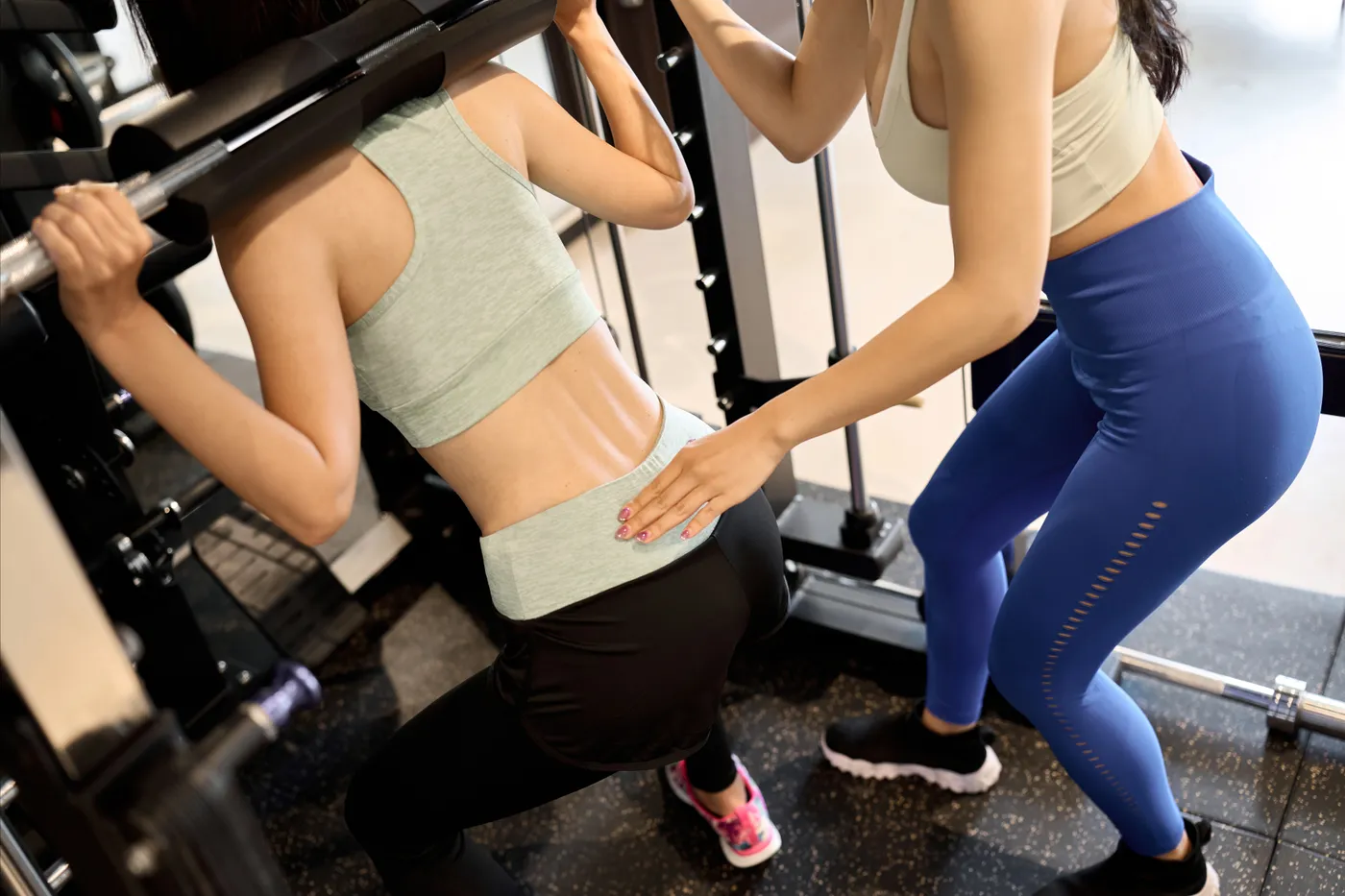
A superset is two exercises performed back to back before resting — usually movements that do not compete, so one rests while the other works.
A superset stacks two exercises into one slot: finish a set of the first, move straight to the second, then rest. Done with the right pairings it is close to free time — the session shortens by a third while each movement performs almost exactly as it would alone.
The craft is entirely in the word "non-competing." Pair a row with a press and each muscle group rests while the other works. Pair two leg movements and you have not saved time; you have just made both worse.
Pairings that work, pairings that backfire
| Pairing | Verdict | Why |
|---|---|---|
| Push + pull (press with row) | The classic | Opposite muscles; each set arrives fresh |
| Lower + upper (squat with pulldown) | Works well | Different regions; watch total breathlessness |
| Main lift + mobility filler | Quietly excellent | The rest period earns its keep without adding fatigue |
| Two movements for the same muscles | A choice, not a shortcut | This is intentional fatigue work — fine if the program means it |
| Anything + heavy technical lifts | Avoid | Heavy squats and deadlifts deserve full rest and full attention |
Where you meet supersets here
Constantly, without the label. A session where you row while your station partner presses, or where a carry fills the gap between squat sets, is superset logic doing its job — density without interference, which is much of how a full training stimulus fits inside a coached hour. The broader time-economics of a session, including why more minutes stop paying, live in how long a workout should be; the effort language the pairs are prescribed in is RPE and reps in reserve.
Common questions
Do supersets build more muscle than straight sets?
No — they build the same results in less time when paired well. The magic is scheduling, not stimulus.
Should beginners use supersets?
Lightly and by design — a movement plus a filler drill is plenty. Two new movements alternating at pace mostly teaches neither.
How long do I rest after a superset pair?
Roughly what one hard set would earn — enough that the next round of the first movement performs honestly. If its numbers start collapsing, the pairing or the rest needs adjusting.