Cold-water dipping earns part of its reputation, honestly. The evidence fairly consistently shows cold immersion reduces how sore you feel after hard training, and many dippers report a mood and alertness lift that keeps them coming back. What it isn't is a fitness accelerator — and if building muscle is a goal, when you dip matters nearly as much as whether you do.
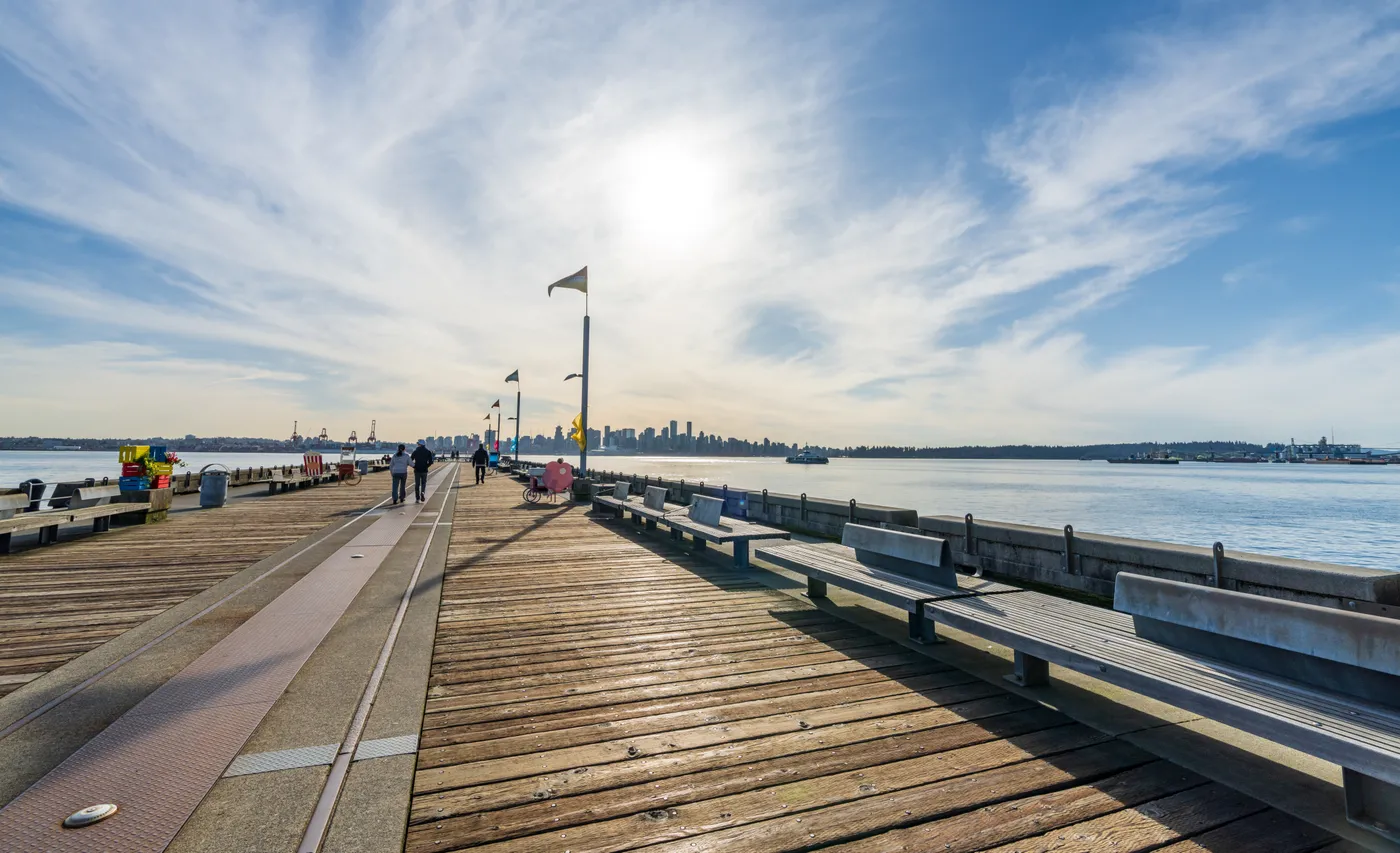
North Vancouver makes experimenting easy: the harbour and nearby coves stay cold enough to count in every month of the year. That same cold is a real hazard, which is why the safety section below is the least skippable thing on this page.
What the evidence actually supports
The strongest case is perceptual: after hard sessions, people who immerse in cold water consistently report feeling less sore and recovering better, even where measured performance differences are small. That feel-better effect is not nothing — recovery you believe in tends to be recovery you repeat.
Treat dipping as one tool on the recovery shelf, well behind sleep, food and easy movement. It pairs naturally with the deliberate downshift of a stretch and recovery session rather than replacing any of it.
The timing catch for lifters
Here's the honest caveat: the research direction suggests that routinely plunging into cold water immediately after strength training may blunt some of the muscle-building signal the session just created. The concern is about timing, not about cold water itself.
The practical fix is simple — put dips on rest days or after easy aerobic work, and keep a few hours between a strength session and the sea. If muscle growth isn't a priority for you, the concern shrinks accordingly.
The local dip culture
Cold water is quietly part of North Shore recovery culture: year-round dippers at the coves and beaches around the harbour, New Year plunges as a community tradition, post-hike soaks in mountain-fed creeks. The ocean here never truly warms — expect breath-stealing cold in every season.
Pick spots with easy, gradual entry and a clear exit, and check municipal and health-authority pages for water-quality advisories before swimming, especially after heavy rain.
Safety rules that don't bend
- Never dip alone. A partner watching from shore is the single most important safety measure there is.
- Respect cold shock. The first minute triggers involuntary gasping and racing breath — stay where you can stand, and get your breathing under control before swimming anywhere.
- Keep it brief. A few minutes delivers the perceived benefit; endurance contests in cold water are how stories end badly.
- Know your exit before you enter, and skip days with waves, current or poor visibility.
- No alcohol, and no surprises: anyone with a heart condition or other significant health issue should talk to a qualified professional before starting.
- Rewarm gradually — dry clothes, layers, gentle movement and a warm drink beat a sprint to a hot shower.
Common questions
How long should a cold dip last?
Short — a few minutes covers the benefit most people are after, and beginners should start with well under that. Strong shivering is the signal to get out and rewarm, not a milestone to push through.
Is a cold shower a fair substitute for an ocean dip?
Partly. You get the alertness jolt and a controlled way to build cold tolerance, without the immersion, the setting or the community — which for many dippers is half the point. It's also the sensible practice ground before open water.
Will cold water speed up fat loss?
Not meaningfully. Cold exposure nudges energy expenditure, but the effect appears small — nowhere near a substitute for training and nutrition. Dip because it feels good, not for the calorie math.
Should I dip before or after training?
After easy sessions or on rest days is the clean answer. Right after lifting is the one window worth avoiding if muscle gain matters to you, and a pre-training dip demands an extra-thorough warm-up before anything intense.