Ten to fifteen minutes early on a first visit; five to ten once the routine is familiar. The first-visit buffer covers finding the studio, checking in, and — most importantly — a short conversation with the coach before the room starts moving. After that, you're mostly protecting your place in the briefing and giving a cold body a head start.
Both numbers are worth building into the habit deliberately, because the minutes before a session shape the session more than any other minutes of your day.
Why the first visit needs the bigger buffer
Day one has one-time costs: locating 142B 3rd St West, sorting parking or the climb up from the Quay, and introducing yourself at the desk. Those fifteen minutes buy an unhurried version of all of it, plus the chance to tell the coach anything they should know — a cranky shoulder, a decade off, plain nerves. Rushing compresses exactly the parts that make a first session go well.
The briefing is the part you can't make up later
Coached circuit sessions open with a walkthrough: today's stations, the movements, the scaling options, the rotation logic. Miss it and you're reverse-engineering the plan while everyone else executes it — doable, but a worse hour. Those five spare minutes exist mostly to protect those few minutes of instruction.
There's a quieter benefit, too: before class is when a coach is most interruptible. A question about a movement from last time, a niggle you felt afterwards, a goal you're mulling — those conversations happen at the margins of sessions, and the people who arrive with slack simply collect more coaching per visit than the ones who slide in at the horn.
Running late anyway? Do this
- Call the studio at (236) 868-9964 if you can — a heads-up lets the coach plan your catch-up.
- Arrive calm rather than frantic; a composed two-minutes-late beats a flustered on-time.
- Slip in, catch the coach's eye, and follow their lead — they'll fold you into the rotation and replay what you missed.
- If you're very late, ask whether joining still makes sense or rebooking is smarter — studios handle cut-offs differently, so confirm Coresa's approach rather than assuming one.
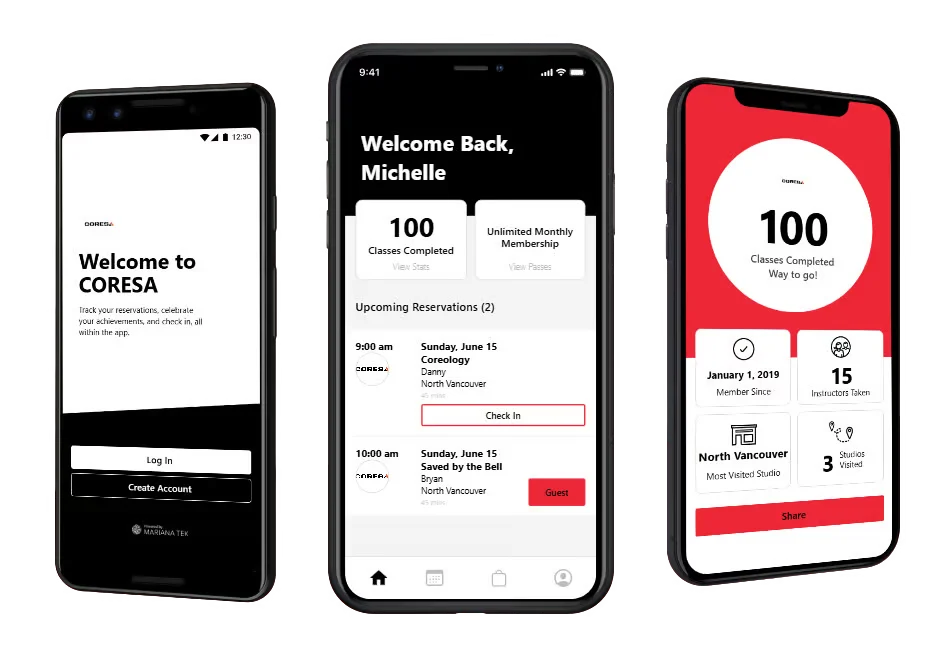
If lateness is chronic rather than occasional, the fix is upstream: pick times off the Coresa app that fit your real life, not the life you wish you had. A class you're never sprinting toward is a class you'll still be attending in a year.
Common questions
Is arriving 20 or 30 minutes early a problem?
It's more buffer than you need, but hardly a crime — bring a pre-class routine or an easy stretch. How the space handles very early arrivals is worth a quick question when you book.
Does arriving early replace the warm-up?
No — the coached warm-up is part of the session itself. Early arrival supplements it, which matters more the colder, older, or more desk-bound your day has been.
What if transit makes me late?
SeaBus and bus hiccups happen; phone ahead if you can and walk in composed. If your connection regularly cuts it close, book the next time slot instead — reliability beats optimism.
Do regulars really only need five minutes?
Once check-in is muscle memory and the coach knows you, five to ten covers everything. Plenty still come earlier, simply because the pre-class minutes are the calmest of their day.