You become a morning workout person the night before, not at the alarm. The method: move your bedtime back first, stage the morning so it requires zero decisions, lower the stakes with a ten-minute rule, reserve your session in advance so someone expects you, and give the adjustment a few honest weeks before you judge it.
None of this requires being a natural early riser. It requires a system that removes every choice between the alarm and the warm-up.
Win it at bedtime
An earlier alarm without an earlier bedtime is just sleep deprivation with a gym bag. Count backwards from your wake-up time by the amount of sleep you genuinely need, and set a wind-down alarm at night that you treat as seriously as the morning one. If the math says 9:30 pm and your evenings currently say 11:30, fix the evenings first — the workout is downstream of the bedtime.
One prerequisite: be sure mornings are actually your answer. If you're still weighing the windows, settle that with our look at the best time of day to work out — this page assumes you've chosen the dawn side and just need to make it stick.
Stage a zero-decision morning
Every choice you leave for 4:45 am is an exit ramp. The goal is a morning that runs on rails: feet on floor, clothes on, out the door, with nothing left to negotiate.
- Training clothes and shoes laid out by the bed or door
- Bag packed the night before
- Coffee machine loaded, or a bottle already filled in the fridge
- Phone charging across the room, so standing up is the first rep
Use the ten-minute rule
Commit only to arriving and doing ten minutes — with genuine permission to leave after that. This works because the hard part is never the workout; it's the cold start from a warm bed. Once you're moving, warm, and surrounded by other people training, staying is nearly automatic, and the rule quietly retires itself within a few weeks.
Put a booking between you and the snooze button
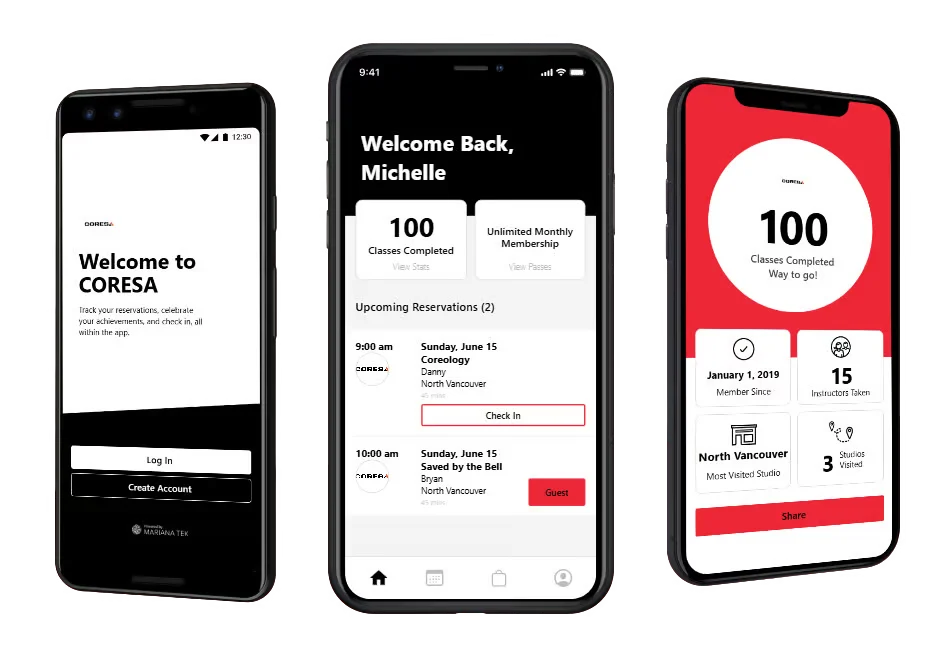
A reserved spot converts a vague intention into a commitment with your name on it — skipping now means actively cancelling instead of passively sleeping in. Coresa's doors open at 6:00 am daily, and early morning classes are built for exactly this crowd. Reserve through the Coresa app before bed, so the decision is already made when the alarm goes off.
Give it weeks, not days
The first stretch will feel rough — that's circadian adjustment, not proof you're "not a morning person." Keep your wake time steady (weekends included, within reason), get light and movement soon after rising, and judge the experiment only after several consecutive weeks. Most people find the early-riser identity arrives quietly: one morning it's simply what you do.
Common questions
How many mornings a week should I start with?
Two, placed on the days your evenings are least useful, keeping the rest of the week unchanged. Add a third once waking up early stops feeling like an event.
Should I eat before a 6:00 am session?
Whatever your stomach tolerates — many people train early on water or coffee alone, while others need a small carbohydrate snack to avoid fading mid-session. Try a week each way and keep whichever leaves you stronger.
What if I hit snooze anyway?
Fix it upstream: an earlier night, the alarm out of arm's reach, and a booked class where your absence is noticed. Willpower at 4:45 am is the weakest link in the chain, so build the chain around it.
Do I have to become a morning person forever?
No. Plenty of people run morning training for a season — a heavy work stretch, the winter, an event build — and shift back later. The skill of standing up a 5 am routine stays with you either way.