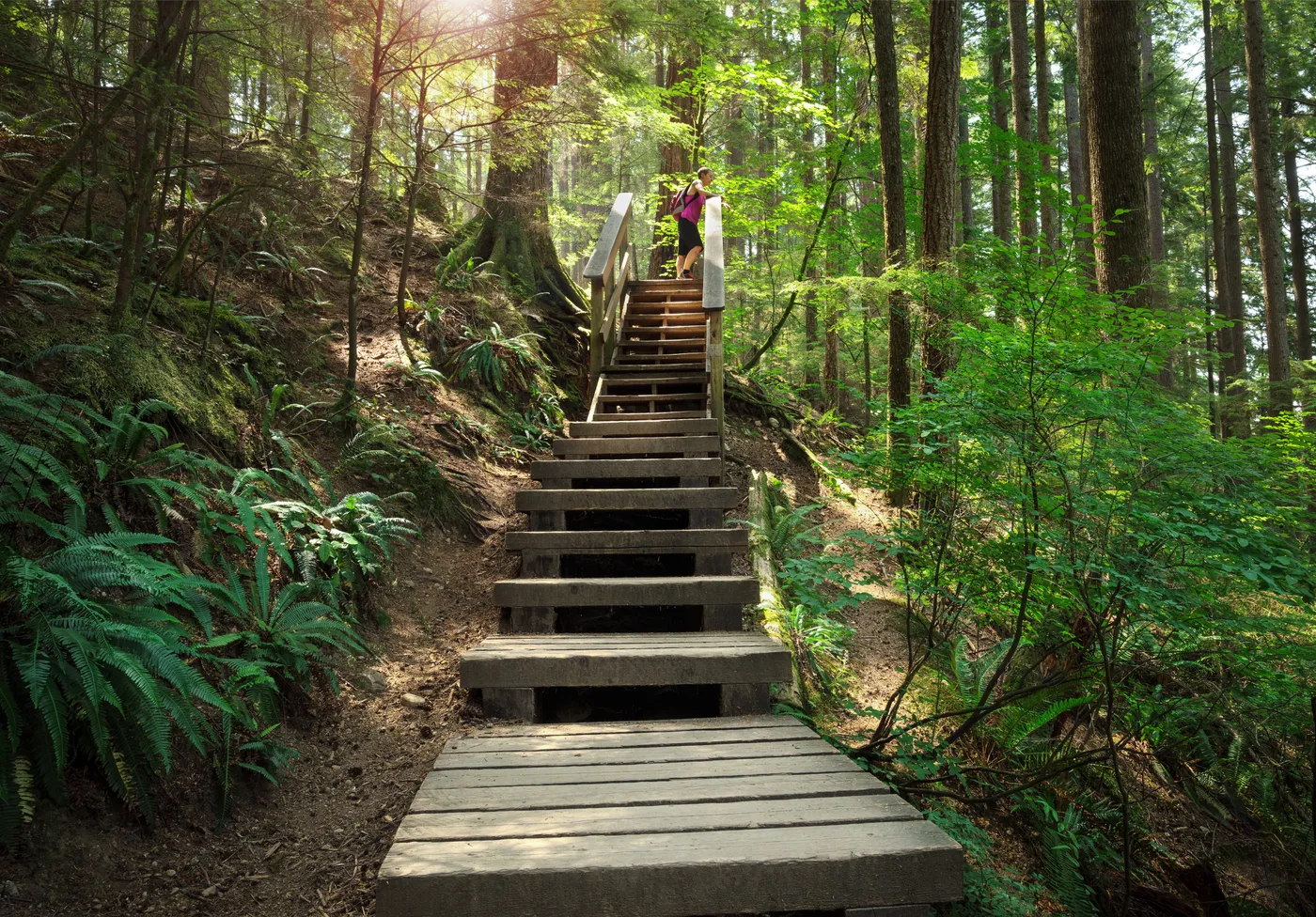
In North Vancouver the real answer is both, on a seasonal dial. The mountains, trails and waterfront are why fitness matters here — they're the goal. The studio is where capacity gets built on a schedule the weather can't veto — it's the constant. Treating this as either/or is how people end up with neither by February.
What follows is the honest case for each, and a weekly shape that lets you keep both.
What each option genuinely wins
Neither side sweeps the board, and any pitch pretending otherwise is selling you something. The scorecard:
| Outdoors | Studio | |
|---|---|---|
| Specificity to trails and mountains | Unbeatable — the hill trains you for the hill | Close, via inclines, stairs and loaded leg work |
| Progressive loading | Limited to bodyweight and terrain | Precise — loads inch up every week |
| Reliability in a wet winter | Attrition is brutal from November on | The identical session in any weather |
| Coaching and correction | You're on your own | A coach watches and adjusts in real time |
| Cost and access | Free, always open | Paid, scheduled |
Read it with your own failure mode in mind: if you tend to quit in winter, weight the reliability row; if you tend to plateau, weight the loading row.
The seasonal dial, not the annual choice
Summer argues for flipping most training outside: long daylight, dry trails, and terrain that is genuinely the best possible preparation for itself. Winter argues the reverse — we've written honestly about staying fit through the rainy season, and the spine of that plan is indoor consistency.
The one thing worth keeping indoors year-round is progressive strength work. Trails give you many things, but they never hand you a heavier weight than last week — that only happens under a roof.
There's a social texture to each side as well: trail communities and class communities overlap less than you'd expect, and belonging to both doubles the number of people who notice when you don't show up.
A hybrid week that holds up
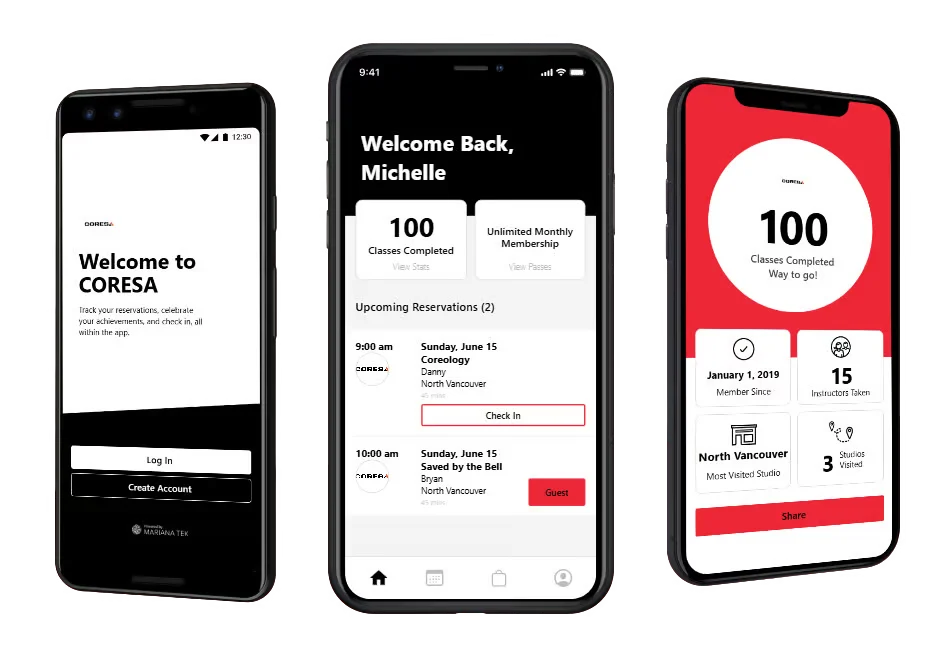
- Two studio sessions — one strength-focused, one conditioning-focused, such as a circuit training class
- One outdoor quality effort — trail, stairs, hills or a waterfront run, sized to the season
- A daily walking floor — the quiet volume that makes everything else work
- The seasonal swing: summer adds a second outdoor day; winter moves it inside
That's the winter-weighted default. A July version might run inverted — two outdoor efforts and a single studio strength session — and both are correct for their month. The template flexes; the weekly total doesn't.
Consistency settles the argument
The version of training that actually happens beats the version that's theoretically optimal. Booked sessions survive weather, workload and flat motivation in a way good intentions never do — which is why the studio earns a permanent place even in a devoted outdoor athlete's year. The mountains stay the point; the studio is how you keep showing up for them.
Common questions
Outdoor training is free — why pay for a studio at all?
Use the free half generously; it's a genuine North Vancouver advantage. What you buy indoors is coaching, progressive equipment and a booked commitment — the three things that most reliably keep people training when conditions or motivation dip.
Can a studio really prepare me for mountain days?
Yes, if the programming includes loaded leg work, incline or stair-style conditioning, and sustained hard efforts. What it can't replicate is technical footing and descent practice — which is exactly the job of your weekly outdoor day.
Should I pause indoor training over the summer?
Plenty of people trim it, and that's reasonable. Keeping even one weekly strength session protects the loading progress trails can't provide — pausing entirely usually means starting the autumn rebuild from further back than expected.