Staying fit through a North Vancouver winter means planning for rain rather than hoping around it. Three moves do most of the work: lock in booked indoor sessions the forecast can't cancel, buy the gear that keeps outdoor movement tolerable, and protect your exposure to daylight through the darkest stretch.
This isn't a cold snap you wait out — the wet season here occupies something like half the year. Treated as its own training season with its own rules, it becomes an advantage: the fittest people on the June trails built that lead between November and March.
Book anchors the weather can't touch
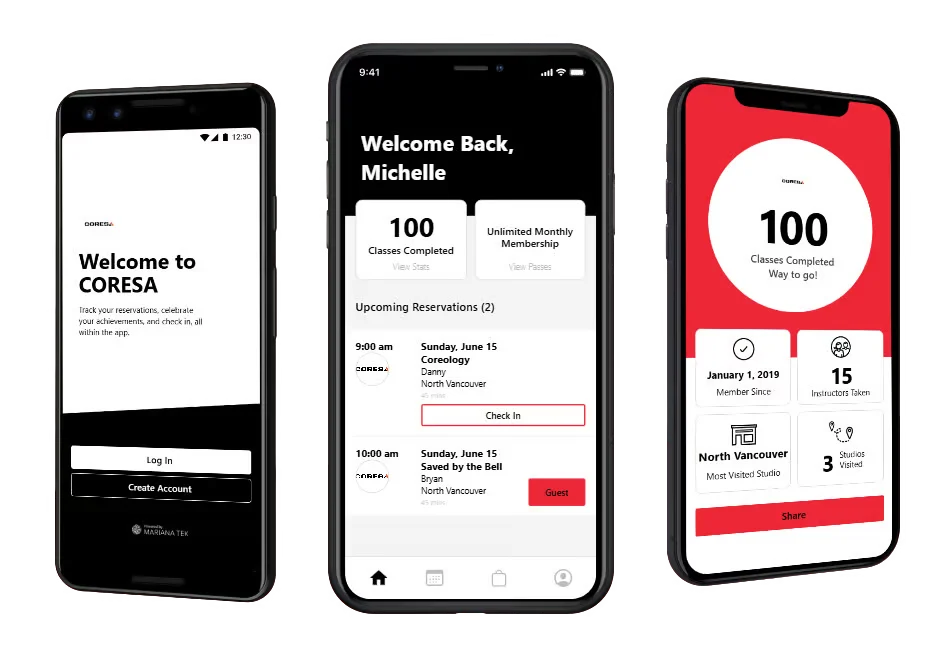
Willpower negotiates with a downpour; a reservation doesn't. Two or three classes booked through the Coresa app become fixed points the rest of your week organizes around, drizzle or deluge. That structure — not enthusiasm — is what separates people who hold fitness through winter from people who restart every April.
Dark evenings are also when a HIIT class earns its keep: a warm, bright, loud room at 6 pm in January does something for the nervous system that a grey gym floor can't. And early morning classes carry a quiet winter advantage — you've trained before the day's weather gets a vote.
Gear down the misery, keep moving outside
Winter outdoor training here fails on comfort, not possibility. A short kit list keeps walks and easy runs on the menu all season:
- A genuinely waterproof shell — the single highest-value purchase you'll make
- Merino or synthetic layers that stay warm when damp
- Shoes with real grip for slick pavement, wet leaves and boardwalk
- A headlamp and reflective details, since much of the usable day is dark
- A dry-clothes bag waiting at the finish
None of it needs buying at once — the shell first, then the rest as the season deepens. The kit pays for itself in sessions that happen instead of sessions postponed.
Treat daylight as part of the program
Short days drain energy in ways that get misread as laziness. Claim light deliberately: a walk during the brightest part of the day, weekend outings timed for late morning, and training slots that don't consume your only daylight hours. Movement itself reliably supports winter mood — qualitatively, that's among exercise's best-documented effects — and anyone finding the dark months genuinely heavy should raise it with a health professional rather than trying to out-train it.
Use winter as the build
The mountains being snowed under is an opportunity: winter is the natural season for a focused strength block, when no sunny trail is competing for your energy. Strength also survives interruptions better than peak cardio does, which makes it the smartest quality to bank in the dark months — come spring, it converts quickly into hiking and running fitness.
How the indoor–outdoor ratio should swing across the year is its own question — we've laid out the seasonal logic in outdoor versus studio training in North Vancouver.
Common questions
What's the minimum training to avoid losing fitness over winter?
Two quality sessions a week — one strength, one that pushes your heart rate — preserves most of what you built, provided daily walking doesn't collapse. Maintenance is cheap; rebuilding from zero every spring is expensive.
Is exercising in cold rain bad for you?
For a healthy adult who's dressed for it and keeps moving, no — the risk isn't the rain but getting chilled while standing around soaked. Finish, get dry, change layers. If you have a heart or respiratory condition, ask your care provider about cold-weather exertion.
Should I just accept a winter off and restart in spring?
You can, but you'll pay twice: the fitness lost, and the weeks of soreness spent reclaiming it. A reduced winter schedule beats a paused one by a wide margin, and spring becomes a launch instead of a rescue.
Does indoor winter training actually transfer to summer trails?
Yes — strength work, circuits and incline treadmill sessions build exactly the legs and capacity trails spend. The one thing indoors can't rehearse is technical footing, and that returns within a few outings once routes dry out.