
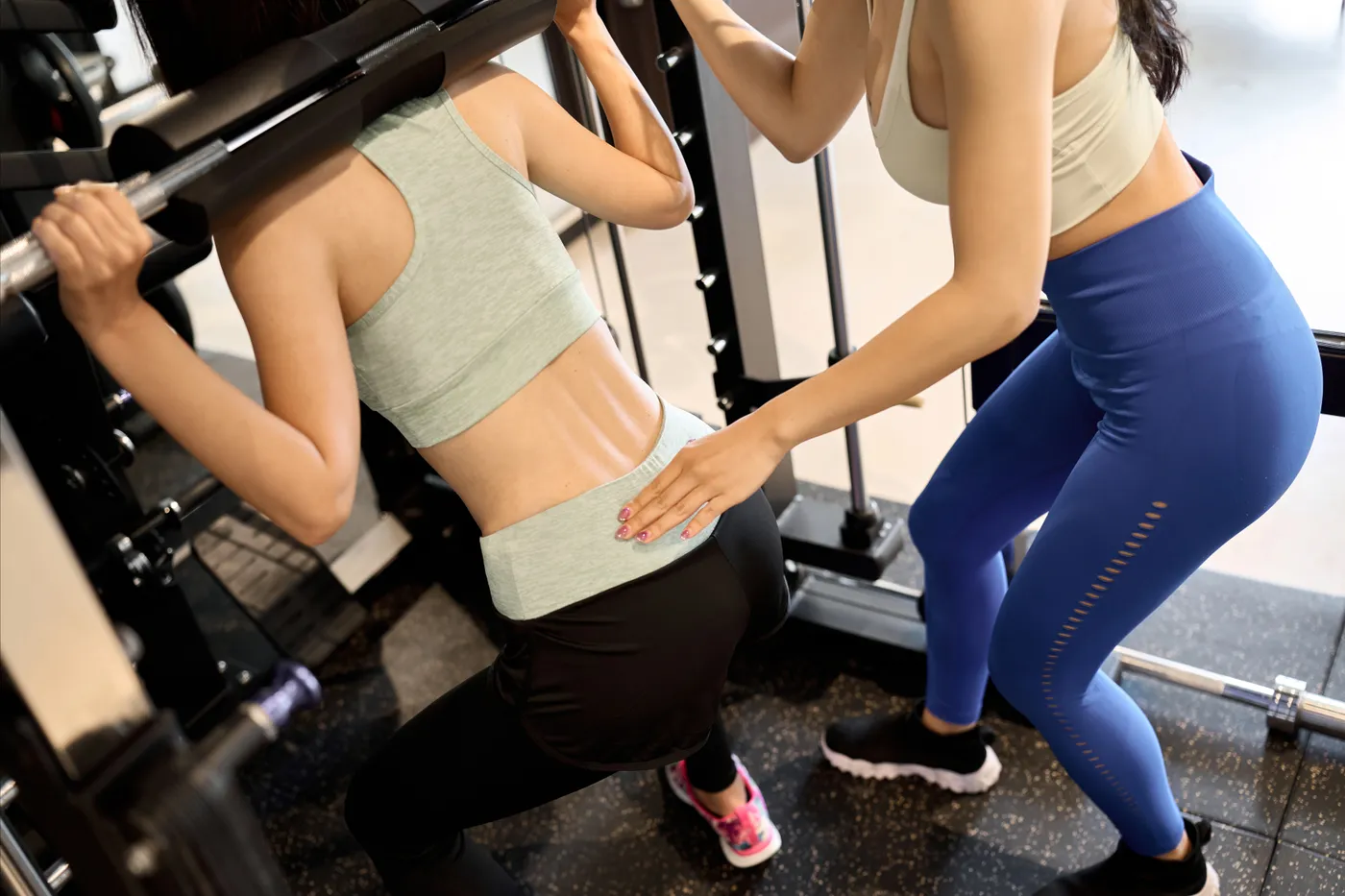
Tempo training prescribes the speed of each phase of a rep, written as four numbers like 3-1-1-0: three seconds down, one-second pause, one second up, no pause at the top.
Tempo notation is four digits that choreograph one repetition: seconds lowering, seconds paused at the bottom, seconds lifting, seconds paused at the top. A 3-1-1-0 squat takes three slow counts down, holds one, drives up in one, and goes straight into the next rep.
The digits matter because speed is a loading variable hiding in plain sight: the same weight moved slower is a different, often better, exercise — especially in the lowering phase, where control is built.
What slowing down actually buys
Three things, in rough order of value. Control: a slow descent makes cheating impossible and position unmissable, which is why tempo work is a coach's favourite technique-teaching tool. Tissue: extended time in the lowering phase is a potent stimulus for the eccentric qualities that descents, ski turns and stairs demand. And honesty: a three-second negative with a modest weight humbles people who bounce twice the load — it converts momentum back into muscle. The related idea of total set duration, time under tension, gets more credit than the evidence gives it; the phase-by-phase control is where tempo genuinely pays.
Where you meet it in a program
Early blocks lean on tempo to build positions — new lifters often meet 3-1-1-0 before they meet heavy — and later blocks deploy it surgically: slow eccentrics in ski-season prep, paused reps to fix a sticking point, controlled lowering for a member returning from physio. It also solves a quiet equipment problem: when the next dumbbell jump is too big, adding a second to the descent progresses the movement without adding a kilogram, one of the six overload levers the progression page catalogues.
Common questions
Does tempo work build as much strength as heavy work?
It builds control and muscle superbly and top-end strength moderately — which is why programs use it as a phase and a tool, not a religion. The heavy, faster work still anchors strength blocks.
Do I count the seconds out loud?
Coaches often count for the room; alone, honest one-thousands do fine. The common drift is descents that quietly shrink from three seconds to one — the count exists to catch it.
Why is the lowering number always first?
Convention: most lifts begin by lowering (a squat descends before it rises), and the eccentric is where tempo earns most of its keep, so it takes the lead digit.