Flexibility is passive range of motion — how far a joint can go when something outside your muscles moves it there: gravity, a strap, your body weight settling into a stretch. Mobility is active range — how far you can take a joint under your own control, with the strength and coordination to actually use that position.
The gap between the two is where most training problems live. Plenty of people can be folded into a deep position by a stretch yet can't get anywhere near it under their own power — and usable range is what lifting, hiking, and sport actually demand.
Same joint, two different questions
Ask a hamstring two questions and you'll get two answers. Lying on your back while a strap pulls your straight leg toward your chest measures flexibility. Raising that same straight leg as high as you can with no help measures mobility — and for most people it stops noticeably short of the strap version.
That shortfall isn't tissue length. It's a control problem: missing strength and nervous-system confidence in a position you can passively reach.
Two-minute self-tests
| Test | What it tells you |
|---|---|
| Passive toe touch, knees straight, fully relaxed | Hamstring and hip flexibility |
| Active straight-leg raise — no hands, no momentum | Hip mobility; compare it to the strap version |
| Deep bodyweight squat, heels down, held 20–30 seconds | Ankle, knee, and hip mobility working together |
| Arms overhead against a wall without the ribs flaring | Shoulder mobility under real control |
A big gap between your passive and active results points to mobility work. Struggling even passively points to flexibility work first.
Why lifters should chase mobility before splits
Impressive passive party tricks — full splits, folding flat over straight legs — do surprisingly little for a squat or a deadlift. What loading demands is controlled range: ankles that let the knee travel, hips that reach depth without the spine rounding, shoulders that hold weight overhead without the lower back bailing them out.
That's why good mobility work looks suspiciously like strength training done slowly through a full range. Paused goblet squats, controlled step-downs, and light overhead work all build range you own. Honest full-range lifting inside a coached strength session is itself mobility training.
The same logic holds outside the gym. Descending a steep North Shore trail asks your ankles, knees, and hips for controlled range under load, step after step — a job description no amount of passive stretching prepares you for.
How to train each quality
- Flexibility: longer static holds, done consistently — most useful where a joint is restricted even passively
- Mobility: slow, controlled movement to end range, then strength at that end range — full-range lifts, paused positions, active holds
- Both: patience — range changes over weeks and months, not sessions
If you'd rather have this structured for you, Coresa's stretch and recovery classes blend the two deliberately. And for the timing question — where this work sits around your training — see whether to stretch before or after a workout.
Common questions
Can you have good mobility with poor flexibility?
Not really — mobility is capped by flexibility, since you can't control range you don't have. The reverse is common, though: lots of passive range with very little command over it.
Will heavy lifting make me stiff?
Lifting through a shortened range can, over time. Lifting through a full range does the opposite — research and coaching experience both point to full-range strength work improving flexibility measures, not shrinking them.
Is yoga mobility training or flexibility training?
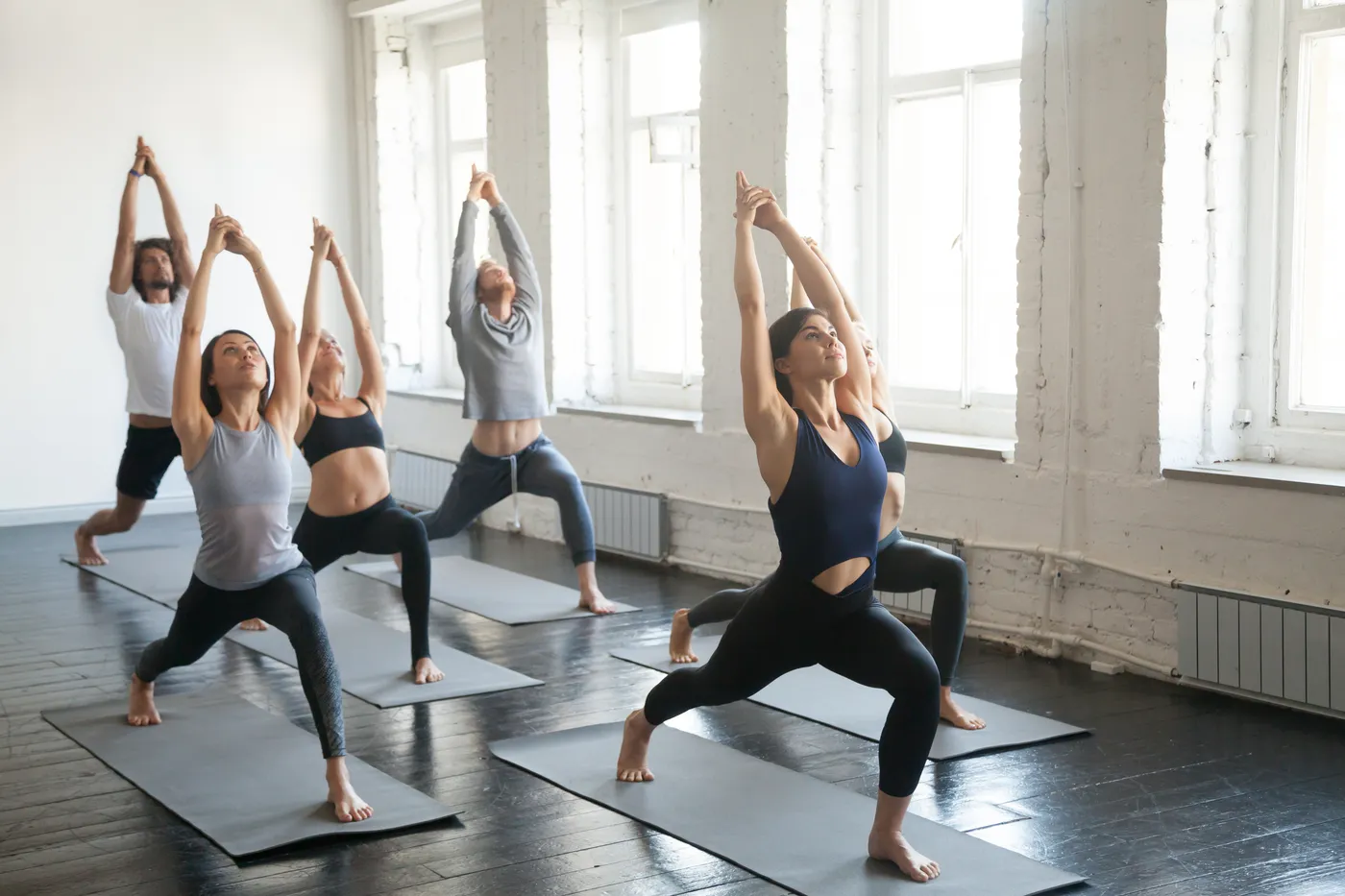
Usually a blend, depending on the style. Long passive holds lean flexibility; slow, strength-demanding transitions and balances lean mobility. Neither label makes it better or worse — it depends on which quality you're short on.
How long before mobility work shows up in my lifts?
Expect gradual change over several weeks of consistent work rather than an overnight unlock. Positions tend to feel more comfortable before they measurably improve — take that as a sign to keep going.